
For the majority of men who undergo gynecomastia surgery, the results are permanent. The surgical procedure removes excess glandular breast tissue, which does not grow back in most cases. While the removal of the gland is a permanent solution, the chest area may regain a fuller appearance due to factors such as significant weight gain or certain lifestyle choices.
Understanding how to maintain your results is key to ensuring your new, masculine chest contour endures for years to come.
One of the most common questions from patients considering this procedure is, “Will gynecomastia come back after surgery?” The straightforward answer is that when performed correctly by a board-certified plastic surgeon, such as Dr. Raymond D. Jean, the results are intended to be permanent.
Gynecomastia surgery directly targets and removes the two primary components contributing to an enlarged male chest:
Glandular Tissue: Firm, dense tissue located directly beneath the nipple-areolar complex. Once this gland is surgically excised, it cannot regrow. This is the core component of “true” gynecomastia.
Excess Fat (Pseudogynecomastia): The accumulation of soft, fatty tissue in the chest. While liposuction permanently removes these fat cells, remaining fat cells in the body can still expand with significant weight gain.
At Main Line Plastic Surgery, every procedure is customized. During your in-person consultation, Dr. Raymond D. Jean performs a thorough evaluation to determine the precise cause of your condition – whether it’s purely glandular, purely fatty, or a combination of both.
Gynecomastia surgery is exceptionally effective, with success rates exceeding 90% in most studies. The techniques used may include surgical excision of the gland, male liposuction, or both, designed to create a more contoured chest that lasts a lifetime.
Patients who are close to their ideal body weight and have stable hormones at the time of surgery have the highest success rates.
Research shows that gynecomastia recurrence rates range from 5% to 10%, depending on several factors. When all breast tissue is properly excised, recurrence drops to less than 5%. True recurrence, meaning the regrowth of the actual breast gland, is extremely low.
Age plays a role in these statistics. Teenage patients may have slightly higher recurrence rates due to ongoing hormonal changes, while adult patients typically experience more stable, permanent results.
If the surgically removed tissue doesn’t grow back, what can cause a change in the chest’s appearance? The reasons are almost always related to lifestyle changes or new medical issues rather than a failure of the original surgery.
Substantial Weight Gain: The most common reason for a change in appearance. New fat deposits can accumulate in the chest area, mimicking pseudogynecomastia.
Use of Anabolic Steroids or Androgens: These substances disrupt natural hormonal balance, potentially stimulating residual breast tissue.
Certain Medications: Prescription drugs for ulcers, heart conditions, anxiety, and specific antidepressants can cause gynecomastia as a side effect.
Underlying Medical Conditions: Health issues affecting hormone levels – liver disease, kidney disease, thyroid problems, or tumors – can lead to gynecomastia development.
Incomplete Initial Surgery: If any breast tissue remains from the initial procedure, it can potentially enlarge under certain conditions.
Yes, significant weight gain is a primary factor that can compromise surgical results. While specific fat cells removed during liposuction are gone forever, remaining fat cells in your chest and body can enlarge with weight gain.
Gaining 20-30+ pounds after your procedure may lead to new fat accumulation, diminishing the flat, defined look achieved with surgery. This pseudo-gynecomastia differs from true recurrence because it involves only fatty tissue, not glandular tissue.
Adopting healthy habits is the best way to ensure your chest remains firm and masculine long-term:
Maintaining a Stable Weight: Stay within 10-15 pounds of your surgery weight through consistent diet and exercise
Balanced Nutrition: Focus on whole foods, lean proteins, and complex carbohydrates
Regular Exercise: Combine cardiovascular exercise with strength training, particularly chest-focused workouts that build pectoral muscle
Avoiding Certain Substances: Steer clear of anabolic steroids, marijuana, excessive alcohol, and recreational drugs that impact hormone levels
In the rare event that you notice changes in the appearance of your chest months or years after surgery, don’t panic. The first step is a professional evaluation.
Signs of possible recurrence include:
New puffiness or fullness, particularly around the nipple area
Firmness or swelling beneath the nipple
Asymmetry between the chest sides
Tenderness in breast tissue
Generalized increase in chest size
Monitor for systemic signs indicating hormonal changes: decreased libido, fatigue, or mood changes warrant medical evaluation.
If concerned about recurrence, schedule a consultation at Main Line Plastic Surgery. Dr. Raymond D. Jean will conduct a physical examination to determine the cause of the changes and may order imaging studies to make an accurate diagnosis.
Treatment options vary based on cause:
Weight Gain: Diet, exercise, or high-definition liposuction
Medication-Related: Discuss alternatives with your primary physician
True Glandular Recurrence: Revision surgery in rare cases
Hormone Issues: Medical management with your physician
So, will gynecomastia come back after surgery? For most patients, the answer is no. With proper surgical technique by an experienced surgeon, healthy lifestyle maintenance, and attention to hormonal health, gynecomastia surgery can provide permanent results.
The key lies in following post-operative instructions carefully, maintaining a stable weight, and monitoring hormone balance over the long term.
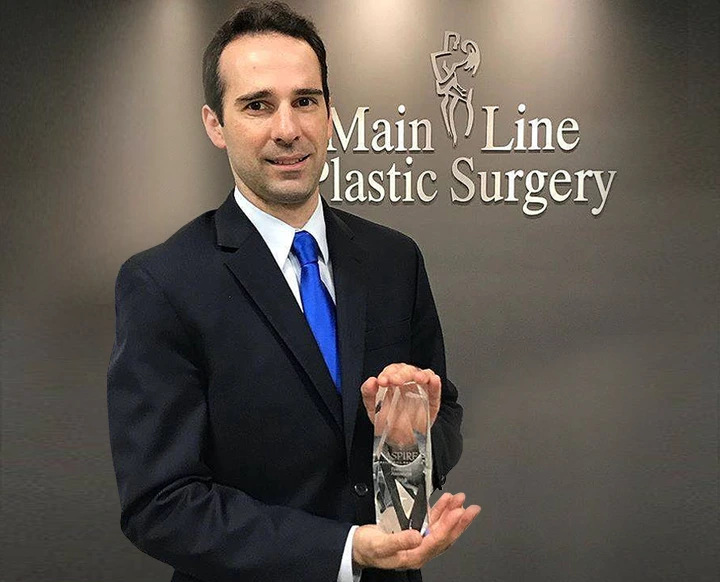
About the Author
Dr. Raymond Jean
May 28, 2026