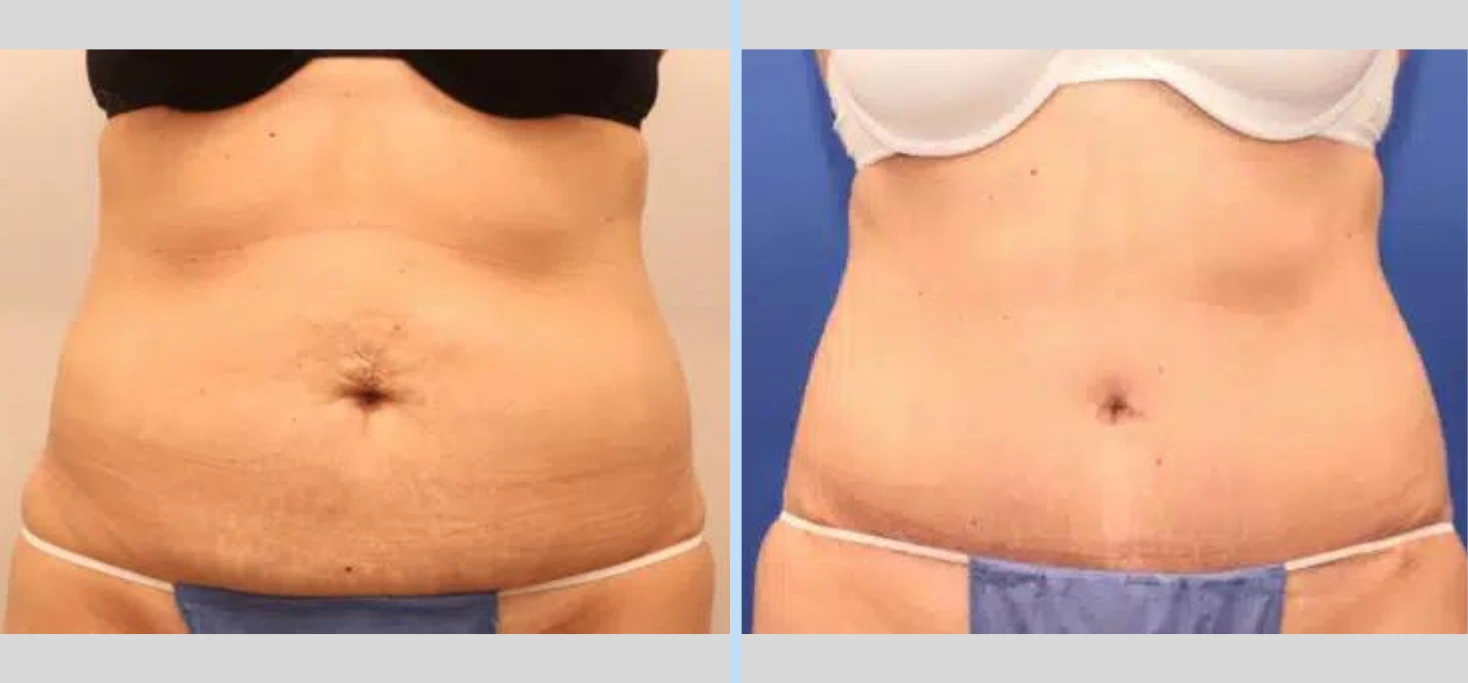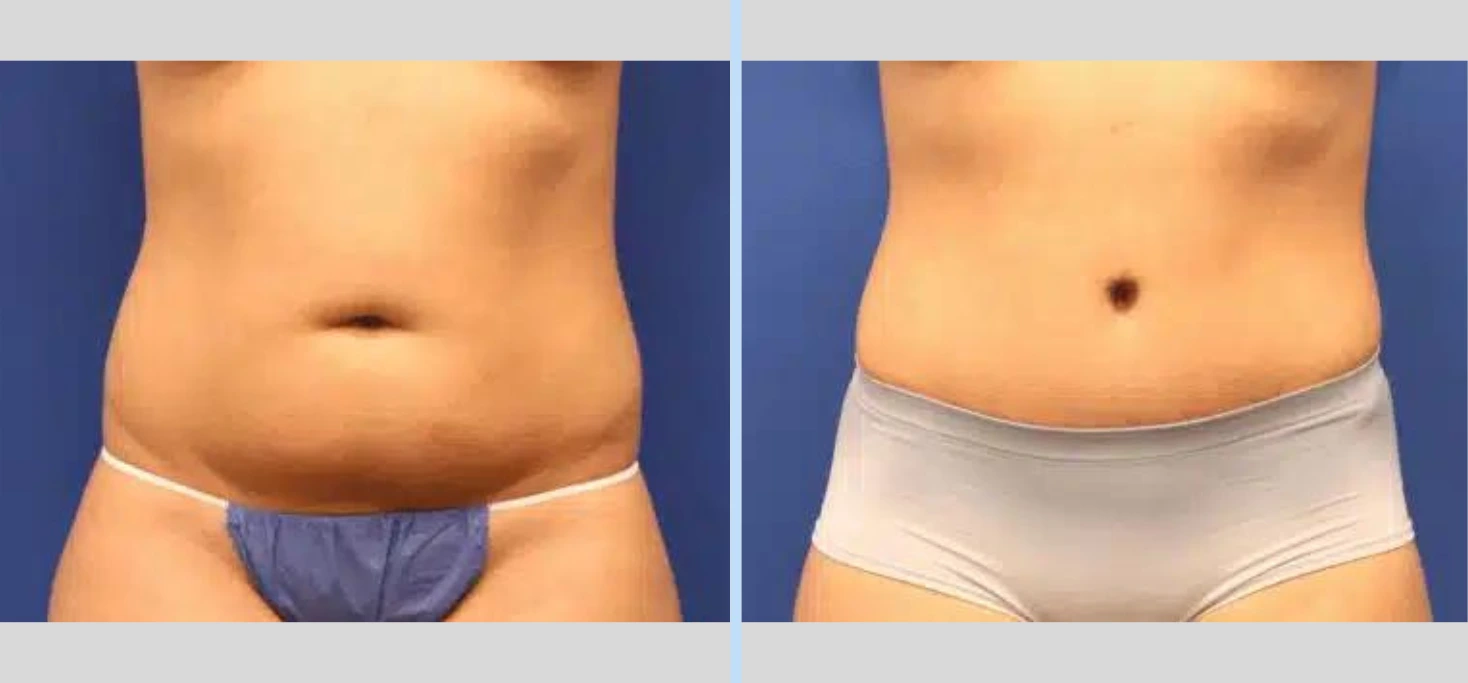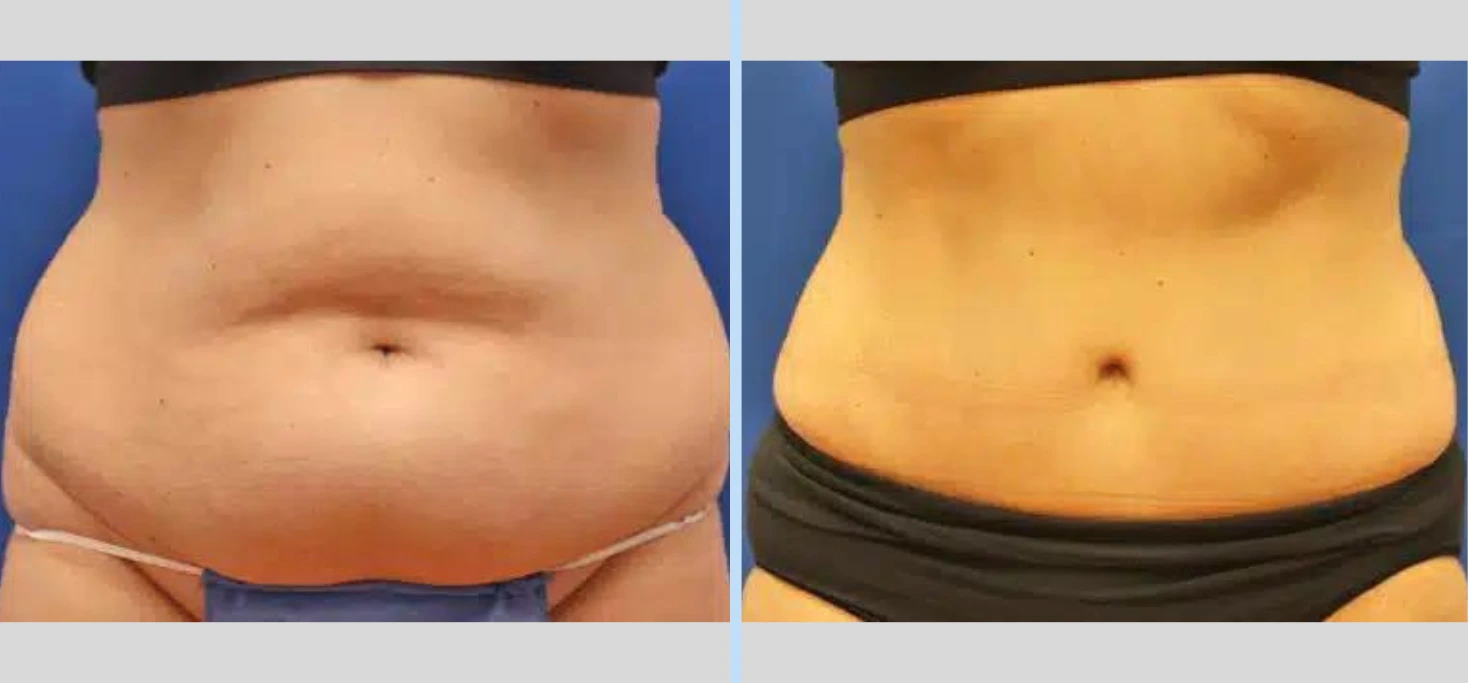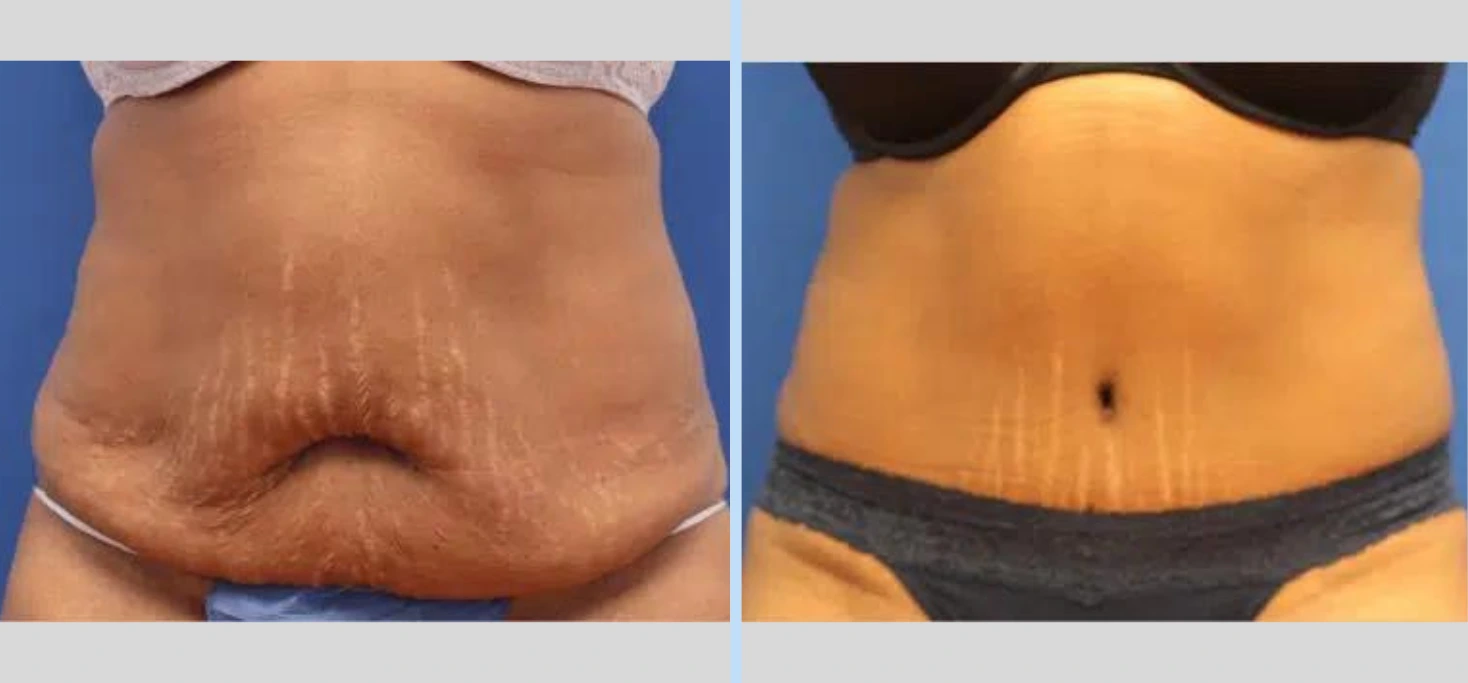
Deciding to undergo abdominoplasty is a significant commitment that requires careful planning, especially when it comes to taking time away from your daily responsibilities. Most patients can return to desk jobs within 2-3 weeks after their procedure, while those with physically demanding occupations may need 4-6 weeks off work. As for exercise, you’ll need to wait at least six weeks before resuming strenuous activities, though light walking can begin within days of surgery. Understanding these timelines helps you prepare adequately for your transformation journey and set realistic expectations for your healing process.





The recovery timeline for abdominoplasty varies significantly from person to person, depending on the extent of the procedure, your overall health, and how well you follow your surgeon’s guidance. A standard tummy tuck involves removing excess skin and fat from the abdominal area while tightening the underlying muscles, which means your body needs adequate time to heal from these surgical modifications.
During the first week, you’ll experience the most significant discomfort and limitations. Your abdomen will be swollen, and you’ll likely need to walk in a slightly bent position to avoid putting tension on your incisions. This is completely normal and temporary. Most surgeons recommend taking at least one to two weeks off work. However, many patients benefit from extending this to three weeks, particularly if their job involves any physical activity beyond sitting at a desk.
Managing discomfort effectively is crucial for a successful tummy tuck recovery. Your surgeon will prescribe pain medications to help you through the initial post-operative period, typically for the first few days to a week. These medications allow you to rest comfortably and begin gentle movement, which is essential for preventing complications like blood clots.
It’s essential to take these medications as directed, even if you feel you can tough it out. Adequate pain control helps you sleep better, maintain proper posture, and engage in the light walking that promotes healing. As your recovery progresses, you’ll gradually transition from prescription pain relievers to over-the-counter options, such as acetaminophen or ibuprofen. Most patients find they no longer need any pain medication by the second or third week.
Your board-certified plastic surgeon will provide you with a compression garment that becomes your constant companion during the early recovery phase. This specialized garment serves multiple critical purposes: it minimizes swelling, supports your healing tissues, and helps your skin conform to its new contours. You’ll typically wear this garment continuously for the first few weeks, removing it only for showering.
The compression garment may feel restrictive at first, but most patients quickly appreciate its benefits. It provides a sense of security and support that makes movement more comfortable. Depending on your surgeon’s protocol and your individual healing progress, you may need to wear the garment for four to six weeks, gradually transitioning to wearing it only during the day before discontinuing it entirely.
Your plastic surgery outcome depends heavily on how well you adhere to your post-op instructions. These guidelines are specifically tailored to promote healing and minimize complications. Standard instructions include;
You’ll also receive detailed guidance about activity restrictions. For the first two weeks, you should avoid any lifting heavier than 10 pounds, which means no grocery bags, laundry baskets, or picking up small children. Bending and twisting motions should be minimized. Even simple household tasks like vacuuming or making beds can strain your healing tissues, so it’s wise to arrange help during this period.
The six-week mark represents a major milestone in your recovery. By this point, most patients receive clearance to gradually resume exercise, though you should always confirm with your surgeon before starting any fitness routine. Begin slowly with low-impact activities like walking, gentle yoga, or stationary cycling before progressing to more intense workouts.
Avoid any exercises that directly target your abdominal muscles, such as sit-ups, crunches, or planks, until you receive explicit permission from your surgeon, which may not come until eight to twelve weeks post-surgery. High-impact activities like running or jumping should also wait. When you do resume core exercises, start with modified versions and pay attention to how your body responds. Any pulling sensation or discomfort is a signal to scale back.
The six-week mark represents a major milestone in your recovery. By this point, most patients receive clearance to gradually resume exercise, though you should always confirm with your surgeon before starting any fitness routine. Begin slowly with low-impact activities like walking, gentle yoga, or stationary cycling before progressing to more intense workouts.
Avoid any exercises that directly target your abdominal muscles, such as sit-ups, crunches, or planks, until you receive explicit permission from your surgeon, which may not come until eight to twelve weeks post-surgery. High-impact activities like running or jumping should also wait. When you do resume core exercises, start with modified versions and pay attention to how your body responds. Any pulling sensation or discomfort is a signal to scale back.
Your transformation continues to evolve months post-surgery as residual swelling gradually subsides and your final results emerge.
During this period, maintaining a stable weight through healthy eating and regular exercise helps preserve your results. The investment you’ve made in your appearance deserves long-term commitment to wellness. Stay connected with your board-certified plastic surgeon through any recommended follow-up visits, even after you’ve fully healed.
A successful tummy tuck recovery requires patience, preparation, and partnership with your surgical team. By understanding the timeline, following instructions carefully, and giving your body the rest it needs, you’ll be well-positioned to enjoy your results for years to come. Remember that everyone heals at their own pace – avoid comparing your progress to others and trust the process. The temporary disruption to your routine is a worthwhile investment in the confidence and comfort you’ll experience in your transformed body.
If you’re struggling with loose skin and considering abdominoplasty, we invite you to schedule a tummy tuck consultation with Dr. Raymond Jean. As a board-certified plastic surgeon with extensive experience in surgical procedures, Dr. Jean will evaluate your individual needs and explain how tummy tuck surgery can help you achieve your aesthetic goals. Our surgery team is dedicated to providing personalized care throughout your journey, from your initial consultation through your complete recovery.
Contact us today to take the first step toward the confident, sculpted appearance you deserve.
A tummy tuck remains a common plastic surgery procedure for individuals seeking to address concerns in their lower abdomen and upper abdomen, particularly those dealing with separated abdominal muscles or excess tissue following pregnancy or significant weight loss. Whether you’re considering a standard or extended tummy tuck, understanding that this is major surgery requiring a dedicated recovery period is essential for setting appropriate expectations.
While tummy tuck scars are an inevitable part of this cosmetic surgery, they typically fade significantly over time and are strategically placed to be easily concealed. Managing your recovery process effectively means using prescription pain medication as directed, monitoring your incision site for any signs of complications like fluid buildup, and maintaining good blood circulation through gentle movement.
The path to achieving optimal tummy tuck results requires commitment to following your surgeon’s instructions and attending all regular follow-up visits. Your recovery period is not simply downtime – it’s an active investment in your outcome. By respecting your body’s healing timeline, staying in close communication with your surgical team, and approaching each phase of recovery with patience, you’ll maximize both the safety and success of your transformation. Remember that the temporary limitations you experience during recovery are a small price to pay for the lasting confidence and comfort you’ll enjoy in your newly contoured physique.