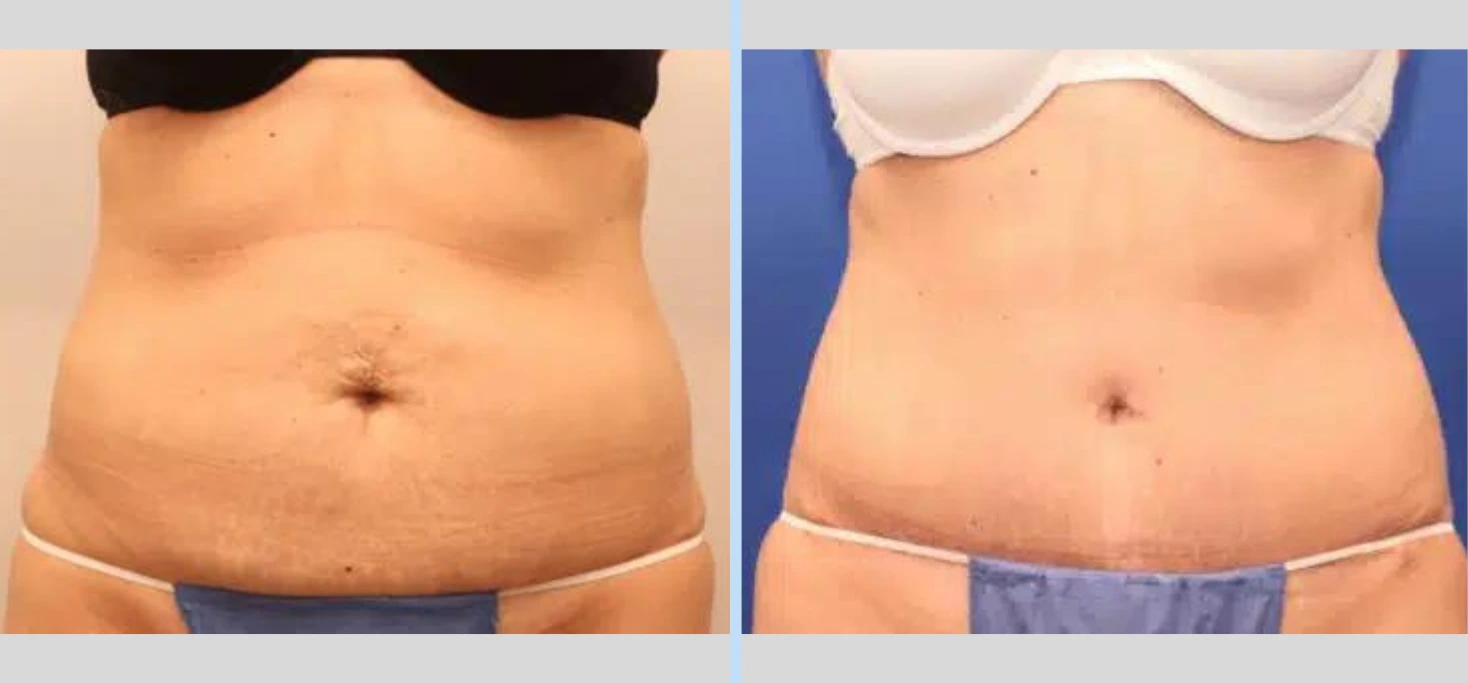
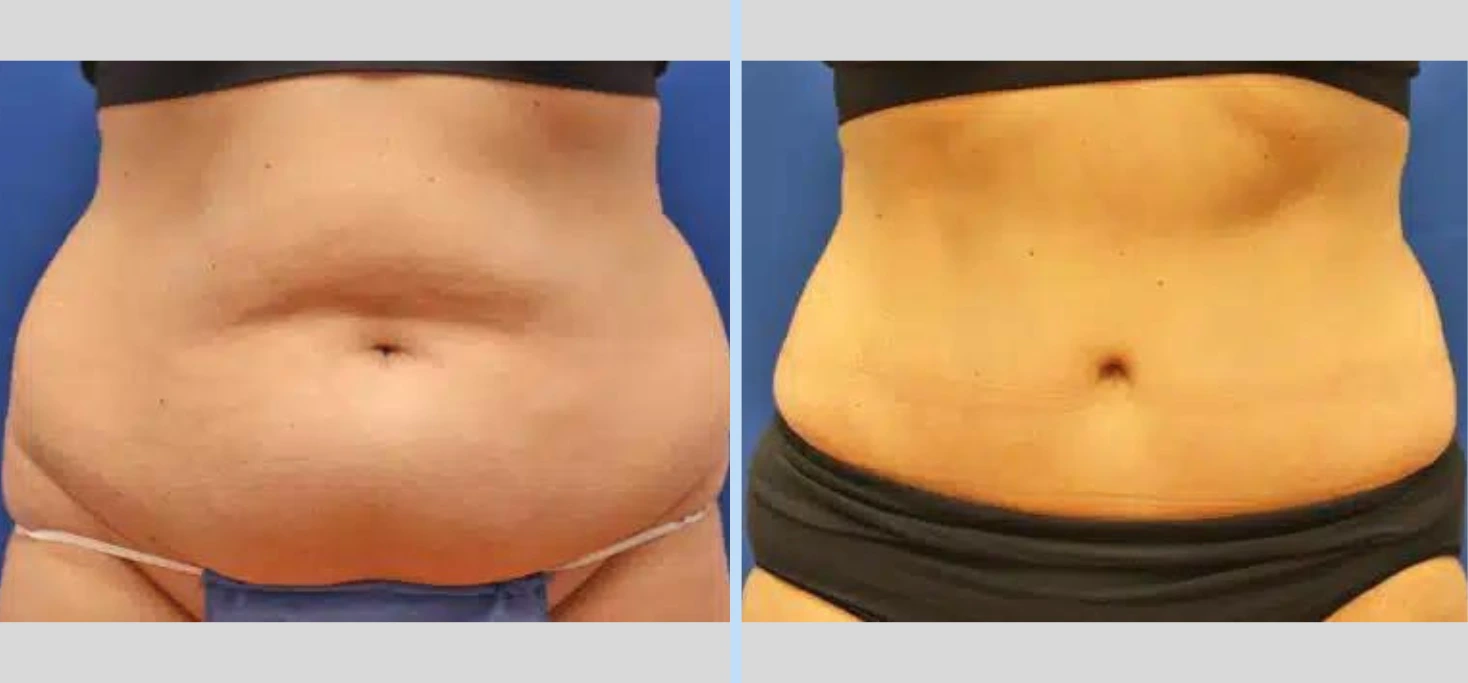
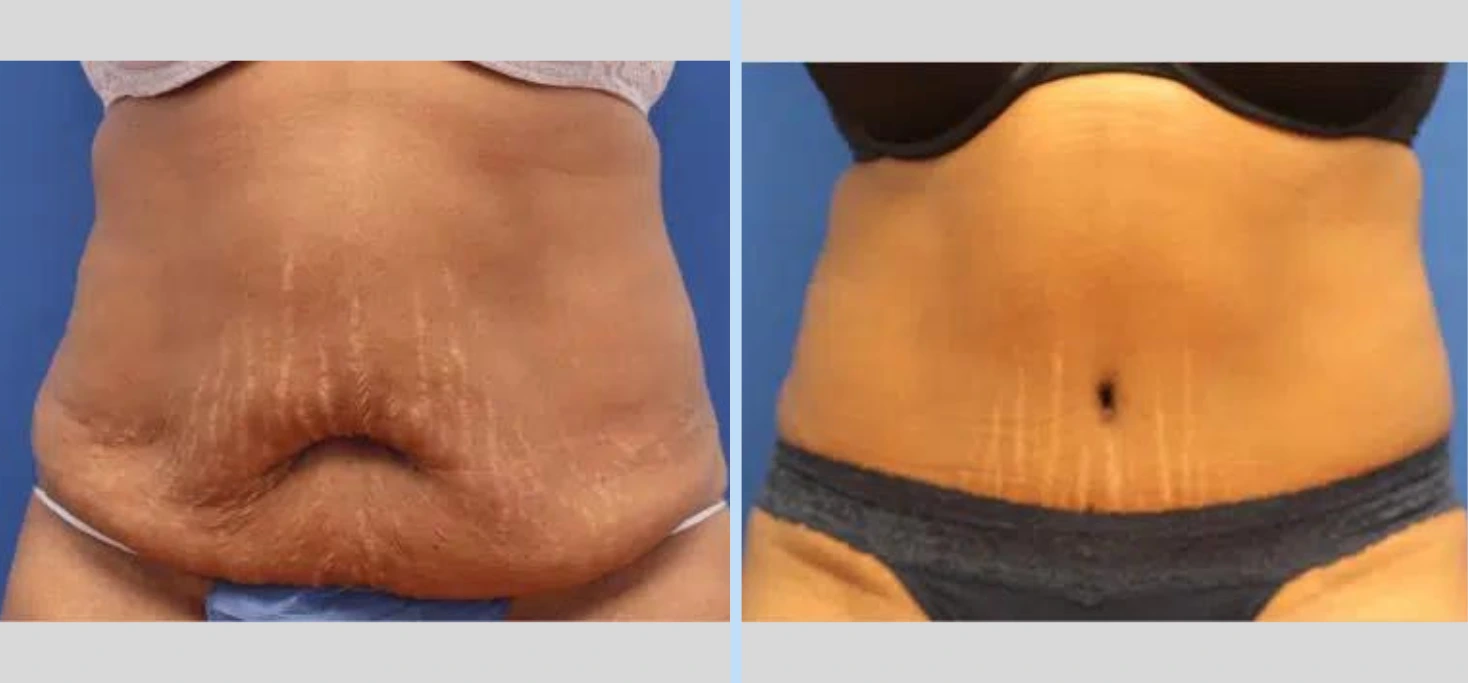
A mini tummy tuck, also known as mini abdominoplasty, is a less invasive procedure designed to address concerns limited to the lower abdomen. This procedure focuses on removing a smaller amount of excess skin and fat below the navel, making it ideal for patients who have relatively good skin tone in the upper abdominal region.
During a mini abdominoplasty, your surgeon makes a smaller incision along the bikini line, typically shorter than what’s required for a full tummy tuck. The belly button usually doesn’t need to be repositioned, which is one of the key differentiators from the full procedure. Recovery time is generally faster, and the resulting scar is more easily concealed beneath underwear or swimwear.
The ideal candidate for this procedure typically has:
Localized fat deposits below the navel
Minimal to moderate skin laxity in the lower abdomen only
Good skin elasticity in the upper abdominal area
Little to no muscle separation above the belly button
A full tummy tuck is a more comprehensive surgical approach that addresses concerns throughout the entire abdominal region. This procedure is particularly beneficial for patients who have experienced significant changes to their midsection due to pregnancy, major weight loss, or aging.
During a full abdominoplasty, your surgeon makes a horizontal incision from hip to hip, removes excess skin and fat from both the upper and lower abdomen, and repositions the belly button to create a natural-looking result. The procedure also allows for extensive muscle tightening, which is crucial for patients dealing with separated or weakened abdominal muscles.
While recovery from a surgical facelift can take several weeks, the results are far more dramatic and long-lasting than those of injectable treatments. A well-performed facelift can take years off a person’s appearance and typically lasts ten years or more with a healthy lifestyle before any touch-ups are needed.
One of the most significant differences between these two procedures lies in their ability to repair muscle damage. Muscle separation, medically known as diastasis recti, commonly occurs after pregnancy or significant weight fluctuations and can create a protruding belly that exercise alone cannot fix.
A full tummy tuck allows your surgeon to repair muscle separation throughout the entire abdominal wall, from the rib cage down to the pubic area. The surgeon sutures the separated muscles back together, creating a firmer, flatter foundation for your midsection. This comprehensive muscle tightening not only improves your appearance but can also enhance core strength and alleviate back pain associated with weakened abdominal muscles.
In contrast, a mini tummy tuck offers limited muscle repair. While some muscle tightening can be performed below the belly button, it cannot address separation or weakness in the upper abdominal region. If you have significant muscle damage extending above your navel, a mini procedure won’t provide complete correction.
Skin laxity is another critical factor in determining which procedure you need. Your skin’s elasticity and the location of excess, loose skin play a major role in this decision.
Full Tummy Tuck Candidates:
Significant loose skin hanging over the lower abdomen
Poor skin elasticity throughout the midsection
Excess skin above the belly button
Stretch marks extending across the upper abdomen
Mini Tummy Tuck Candidates:
Minimal loose skin confined to the lower abdomen
Good skin tone above the navel
Localized concerns that don’t extend to the upper abdominal area
If you have a small pooch below your belly button but relatively tight skin elsewhere, a mini procedure might be sufficient. However, if loose skin extends across your entire midsection, only a full tummy tuck can remove enough tissue to create a smooth, taut appearance.
The results you can expect from each procedure differ significantly in terms of the transformation achieved and the longevity of your outcome.
A full tummy tuck provides dramatic, comprehensive results. Patients typically see a completely flattened abdomen with improved contours from the rib cage to the pubic area. The repositioned belly button appears natural and proportionate to the new abdominal shape. Because this procedure addresses both skin and muscle issues throughout the entire midsection, the results tend to be more transformative for patients with extensive concerns.
Mini abdominoplasty results are more subtle and targeted. While patients achieve a flatter lower abdomen and improved contours below the navel, the overall transformation is less dramatic. The belly button remains in its original position, and only the area below it is significantly improved. For patients with limited concerns, however, these results can be exactly what they need without undergoing a more extensive procedure.
Both procedures deliver long-lasting results when combined with a stable weight and a healthy lifestyle. However, it’s important to have realistic expectations based on your specific anatomy and the extent of correction each procedure can provide.
Scarring is an inevitable part of any tummy tuck procedure, but the extent and visibility of the scar differ between the two options.
A mini tummy tuck produces a shorter scar that typically measures between 4 and 8 inches, positioned low along the bikini line, where it can be easily hidden by underwear and swimsuits. Because the belly button doesn’t need to be repositioned, there’s no additional scarring around the navel.
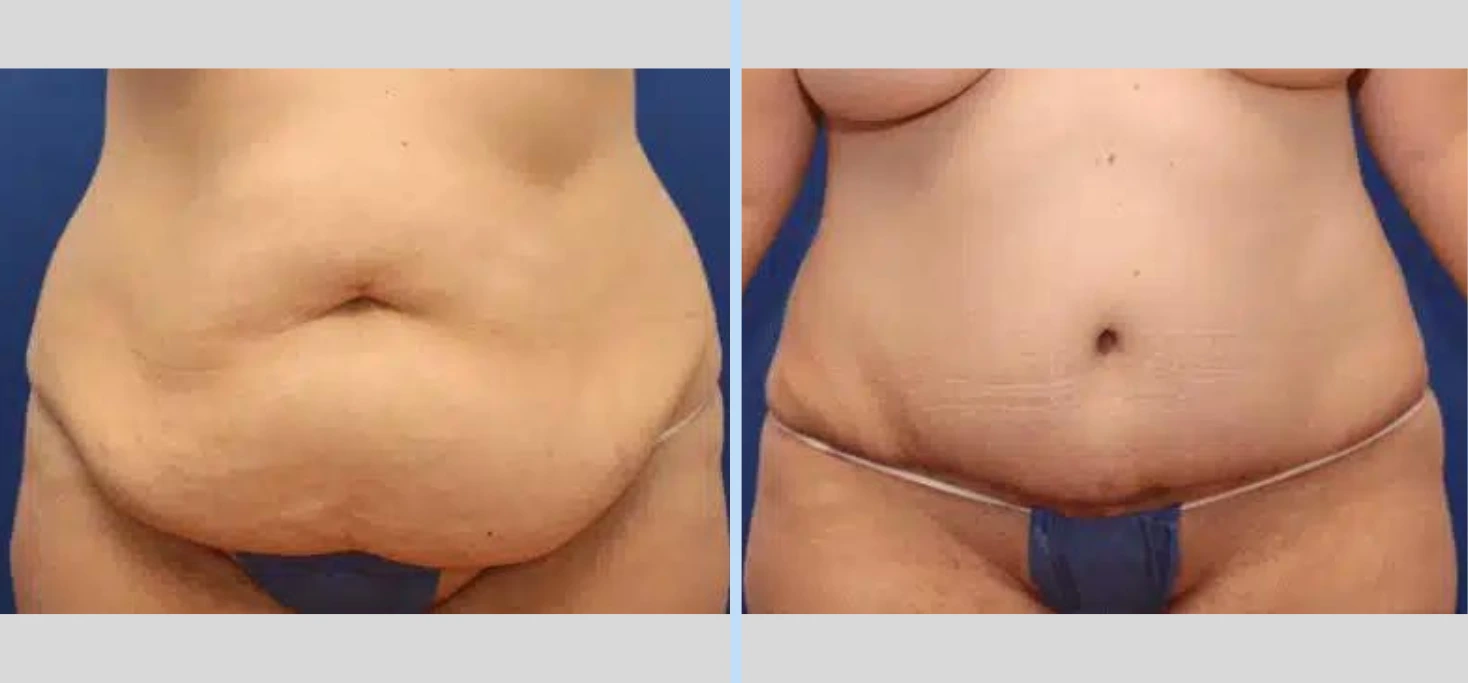
A full tummy tuck creates a longer scar extending from hip to hip, though it’s still placed strategically along the natural bikini line. Additionally, there will be scarring around the belly button where it’s repositioned. While these scars are more extensive, skilled surgeons place them strategically to minimize visibility, and they typically fade significantly over time.
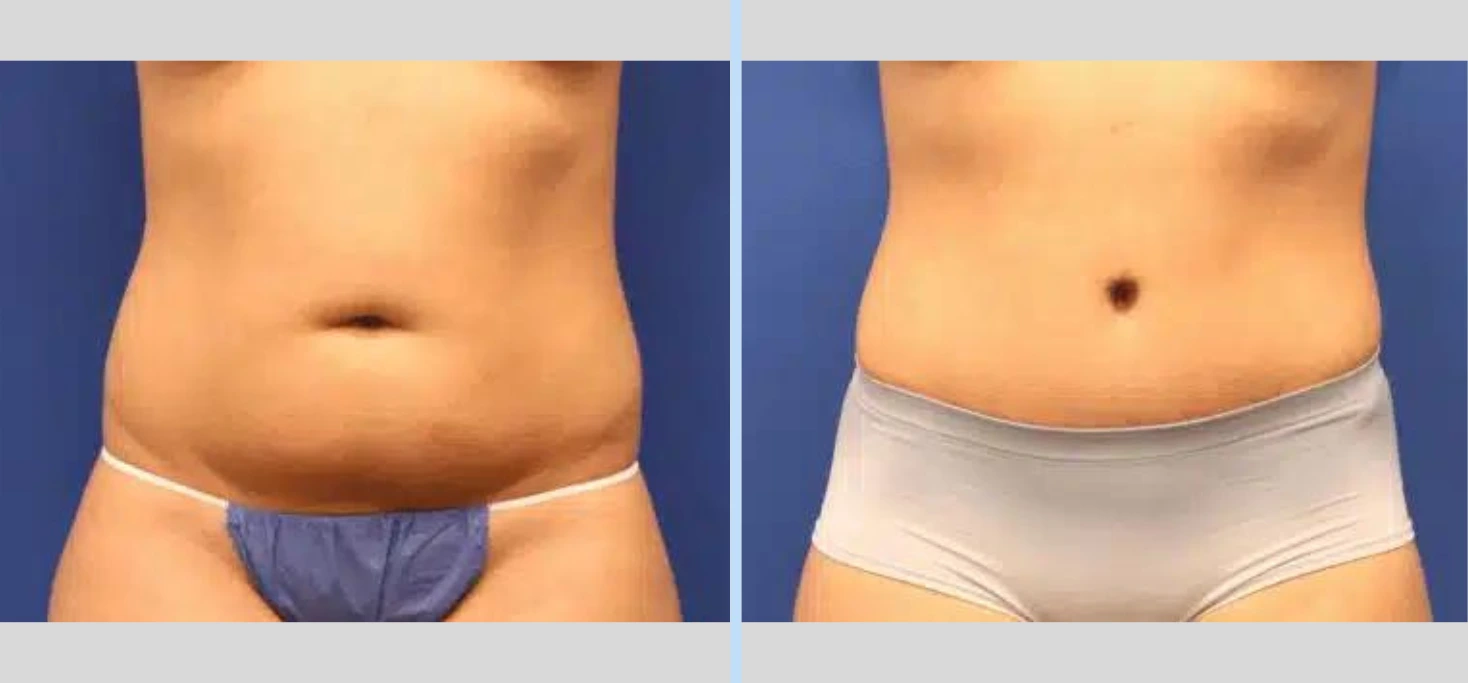
For some patients, the prospect of a shorter scar makes the mini tummy tuck appealing, especially if their concerns are limited and they’re looking for a less invasive option.
A traditional facelift, on the other hand, redefines the facial structure by repositioning underlying tissues rather than simply adding volume. When performed by a board-certified plastic surgeon, the outcome looks refreshed, not overly tight or artificial. The surgeon’s technique and experience play a crucial role in ensuring a natural result that complements the patient’s facial anatomy.
A traditional facelift carries surgical risks, including infection, scarring, and anesthesia-related complications. However, these risks are minimized when the surgery is performed by an experienced, board-certified facial plastic surgeon. Pre-surgical consultations, detailed preparation, and post-operative care are key factors in ensuring a safe and smooth recovery.
Many patients find that combining both techniques offers the best of both worlds. For instance, someone who has had a surgical facelift may later use dermal fillers or BOTOX to maintain their results and address areas not fully corrected by surgery, such as fine lines around the mouth or forehead. Conversely, younger individuals may start with a liquid facelift and transition to a surgical facelift later in life when skin laxity becomes more pronounced.
Deciding between a liquid facelift and a traditional facelift depends on several factors, including age, degree of skin laxity, recovery preferences, and budget. Those seeking quick, subtle improvements without downtime may prefer injectables, while those desiring long-lasting, comprehensive rejuvenation should consider surgical intervention.
A professional consultation with an experienced aesthetic provider is the best way to determine which approach aligns with your goals. They can assess facial anatomy, discuss expectations, and create a customized plan that delivers balanced, natural-looking results.
When it comes to reversing the effects of aging, understanding your options is essential. Those struggling with loose skin, deep smile lines, or a double chin often benefit most from facelift surgery, which can create a noticeable lift and more defined contours. For individuals with severe signs of aging who also want to restore lost volume, combining a facelift with facial fat transfer can achieve smoother, fuller results that look completely natural.
On the other hand, those seeking subtle rejuvenation can consider injectable fillers or a mini facelift, which provide targeted correction for early signs of aging without the longer recovery time of traditional surgery. Each approach, whether surgical or non-surgical, addresses unique concerns, helping patients choose a path that aligns with their goals for a refreshed, youthful appearance.