
Deep Plane Facelift vs Traditional Facelift: What’s the Difference?
When considering a fa celift, you’re likely to encounter two primary approaches in modern facial plastic surgery: the deep-plane facelift and the traditional facelift. While both procedures aim to reverse signs of aging and restore a more youthful appearance, they differ significantly in their surgical technique, the layers of tissue they address, and the longevity of results. The deep plane fac elift works beneath the muscle layer to reposition deeper facial structures, offering more dramatic and natural-looking results with longer-lasting effects, while traditional facelifts primarily tighten the skin and superficial tissues, providing good results with a somewhat shorter recovery time but potentially less durability.

Table of Contents


Understanding Modern Facelift Techniques
Facelift surgery has evolved dramatically over the past few decades. What once involved simply pulling skin tight has transformed into sophisticated procedures that address the underlying causes of facial aging. Modern facelift techniques recognize that aging affects multiple layers of the face – from skin elasticity to muscle tone and fat distribution. This understanding has led to the development of various approaches, each designed to target specific concerns and achieve optimal results.
The choice between different facelift techniques isn’t simply about which is “better” overall, but rather which is better suited to your individual anatomy, aging pattern, and aesthetic goals. Some patients may benefit most from one approach, while others are ideal candidates for a different technique
What Is the Deep Plane Facelift Procedure?
The deep plane facelift procedure represents one of the most advanced approaches in cosmetic surgery today. Unlike techniques that work primarily on the skin’s surface, this method targets the SMAS (superficial musculoaponeurotic system) – a layer of tissue beneath the skin and above the facial muscles. By releasing and repositioning this layer, surgeons can create more comprehensive rejuvenation.
During a deep plane fa celift procedure, the surgeon makes incisions similar to a traditional facelift but then works beneath the SMAS layer to:
- Reposition sagging facial muscles and tissues at their foundation
- Restore volume to the midface and cheek area
- Address deep nasolabial folds and marionette lines more effectively
- Create a natural-looking result without the “pulled” appearance
This technique requires exceptional surgical skill and a thorough understanding of facial anatomy, as the surgeon works near important nerves and blood vessels. The procedure typically takes longer than a traditional facelift – often four to six hours – but many surgeons and patients believe the results justify the additional time and expertise required.
Traditional Facelift Surgery: The Classic Approach
Traditional facelift surgery, sometimes called a SMAS facelift or superficial facelift, has been the gold standard in facial rejuvenation for many years. This approach focuses on lifting and tightening the skin and superficial tissues of the face and neck.
In a traditional facelift, the surgeon makes incisions along the hairline and around the ears, then separates the skin from the underlying tissues. The SMAS layer may be tightened or folded, but the surgeon doesn’t release it from the deeper structures, as in a deep-plane technique. Excess skin is trimmed away, and the remaining skin is re-draped over the face for a smoother contour.
Key characteristics of traditional facelift surgery include:
Shorter operating time (typically 2-4 hours)
Focus on skin tightening and superficial tissue repositioning
Excellent results for mild to moderate aging
Well-established safety profile with decades of refinement
Generally lower cost compared to deep plane techniques
Comparing Results: Comprehensive Lift and Longevity
When evaluating which procedure offers a more comprehensive lift, several factors come into play. The deep plane approach typically provides more dramatic improvements in the midface, creating better cheek projection and more effective reduction of deep folds. Because it repositions the foundational structures of the face, many surgeons report that deep plane results can last 10-15 years or more.
Traditional facelifts still provide excellent results, particularly for patients with good skin elasticity and moderate aging concerns. The results typically last 7-10 years, though this varies significantly based on individual factors like genetics, lifestyle, and skin care habits.
Recovery After Facial Rejuvenation Surgery
Recovery is an important consideration when choosing between these facial rejuvenation procedures. Deep plane facelifts generally involve more extensive tissue manipulation, which can lead to:
More initial swelling and bruising
Longer recovery period (typically 2-3 weeks before returning to normal activities)
Greater need for pain management in the first few days
More detailed post-operative care instructions
Traditional facelifts usually offer a somewhat easier recovery:
Less initial swelling, though bruising is still common
Faster return to daily activities (often 1-2 weeks)
More predictable healing timeline
Shorter period of visible surgical evidence
However, individual recovery experiences vary widely. Some patients heal remarkably quickly regardless of the technique used, while others may need extra time. Your surgeon will provide specific guidance based on your procedure and individual circumstances.
Candidacy and Choosing the Right Cosmetic Surgery Approach
Not every patient is an ideal candidate for every type of cosmetic surgery. The deep plane facelift typically works best for:
Patients with significant midface sagging
Those with pronounced nasolabial folds and jowling
Individuals seeking maximum longevity from their results
Patients willing to accept a longer recovery period
Those with good overall health and realistic expectations
Traditional facelifts are often recommended for:
Younger patients with earlier signs of aging
Those primarily concerned with skin laxity rather than volume loss
Patients who prefer a shorter recovery time
Individuals seeking proven, time-tested techniques
Those with budget considerations
Age alone doesn’t determine candidacy. A 50-year-old with significant sun damage and deep facial folds might benefit more from a deep plane approach, while a 65-year-old with good skin quality and mild sagging might achieve excellent results with a traditional facelift.
The Role of Facial Plastic Surgery Expertise
The skill and experience of your facial plastic surgery specialist may be even more important than which technique they use. A highly skilled surgeon performing a traditional facelift may achieve superior results than a less experienced surgeon attempting a deep-plane procedure.
When selecting a surgeon, consider:
Board certification in plastic surgery or facial plastic surgery
Extensive experience with your chosen procedure
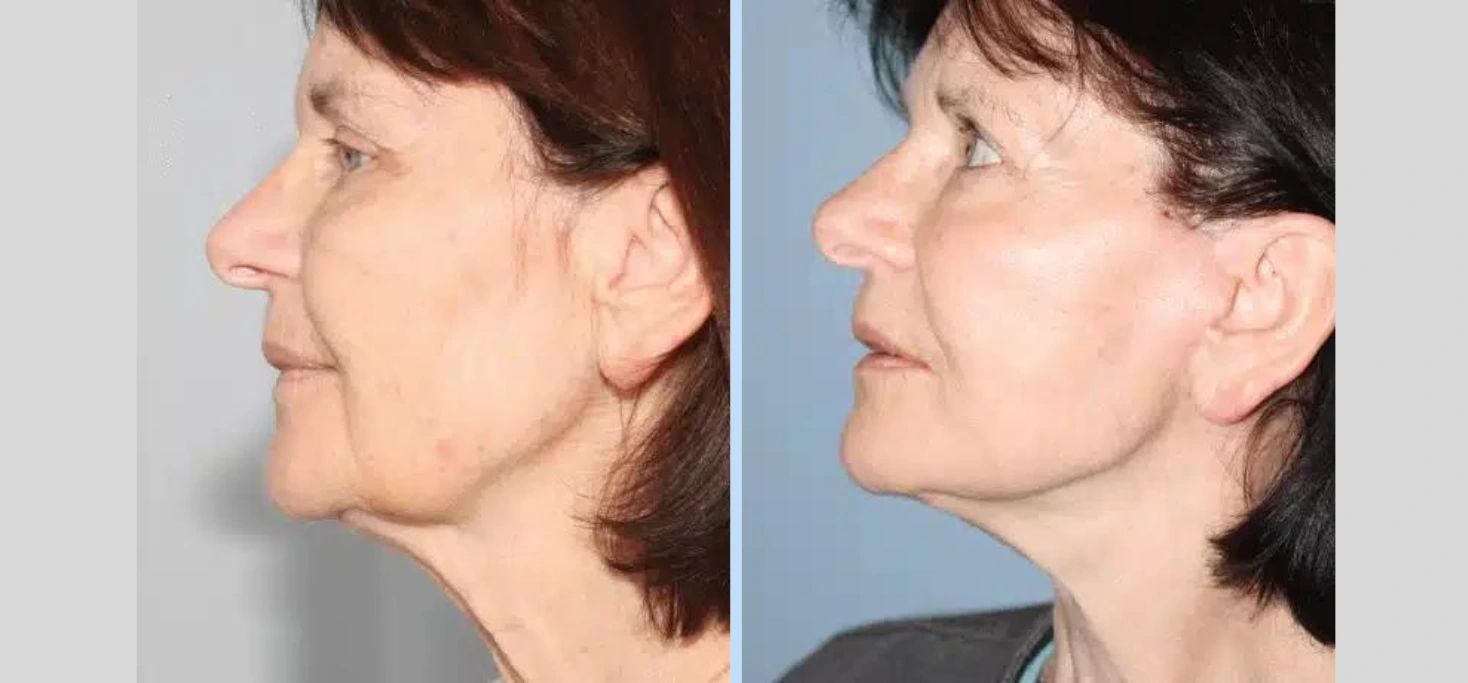
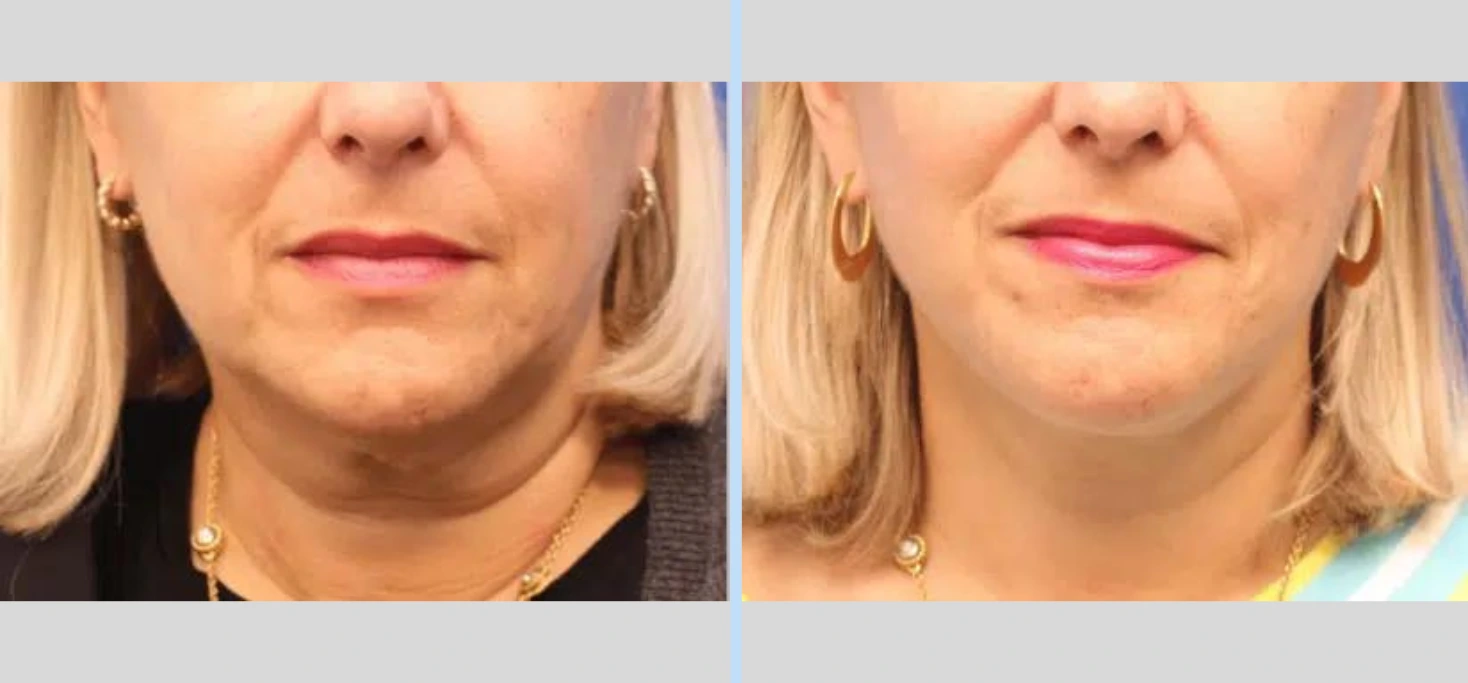
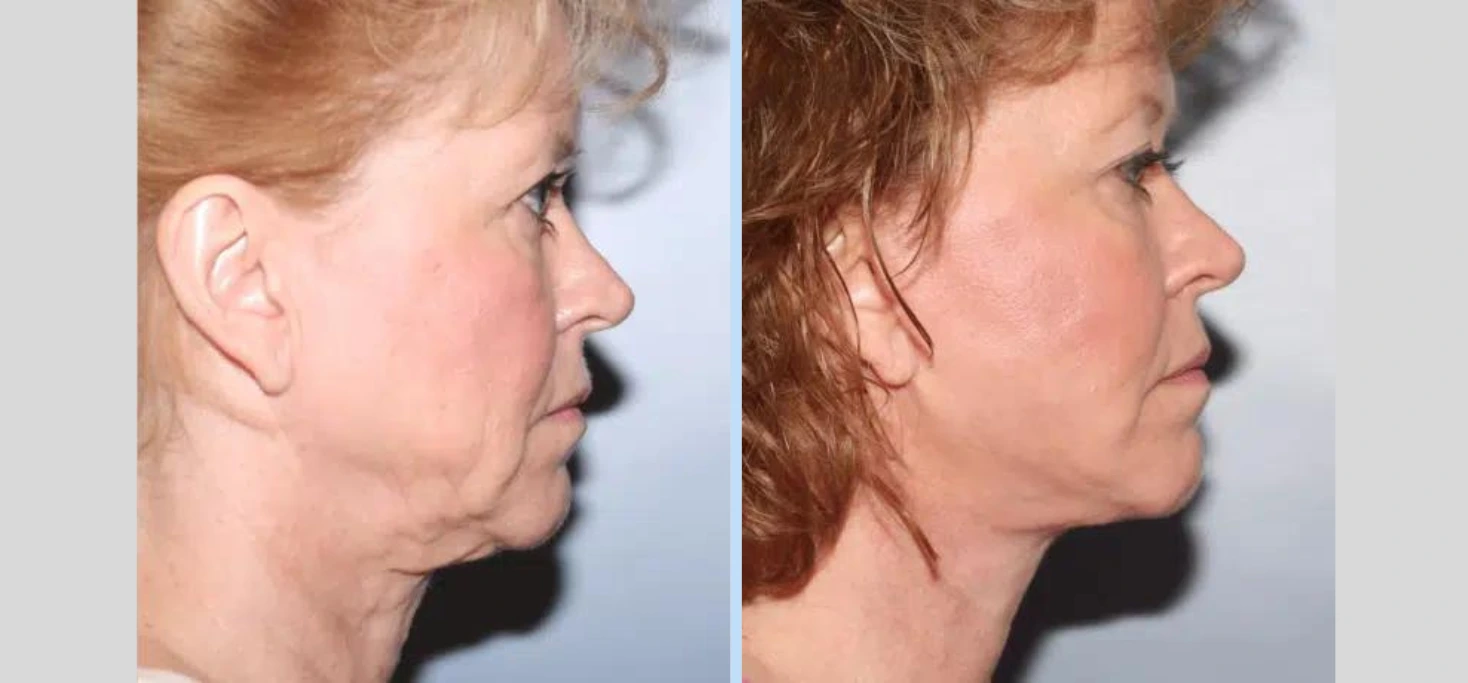
Before-and-after photos of actual patients
Surgical facility accreditation
Your comfort level and rapport with the surgeon
Elevate Your Confidence: Comprehensive Care at Main Line Plastic Surgery
At Main Line Plastic Surgery, we understand that sagging skin and deep wrinkles can affect more than just your appearance – they can impact your confidence. Our team specializes in both deep plane facelift surgery and traditional facelift techniques, allowing us to tailor surgical procedures to your unique facial contours and aesthetic goals. Whether you’re seeking natural rejuvenation or more dramatic rejuvenation, our expertise in working with deeper facial tissues ensures results that look authentically you, never overdone.
Beyond facelift options, we offer complementary procedures, such as eyelid surgery, to achieve comprehensive facial harmony. Whether you desire subtle enhancement or dramatic rejuvenation, our personalized approach ensures you receive the right combination of treatments for a refreshed appearance. Schedule your consultation today to discover how our surgical expertise can help you achieve the youthful look you deserve.
Your journey toward facial rejuvenation is deeply personal. Whether you choose the comprehensive repositioning of a deep plane technique or the proven effectiveness of a traditional approach, the goal remains the same: helping you look and feel like the best version of yourself.
Final Thoughts on a Comprehensive Rejuvenation with Facelift Surgery
Understanding the differences between facial rejuvenation surgery options empowers you to make the best decision for your goals. While the traditional SMAS facelift works primarily on superficial layers and offers a shorter recovery period, the deep plane lift addresses deeper tissues to restore youthful contours more comprehensively. The deep plane facelift lifts sagging cheeks and targets facial sagging at its foundation using advanced surgical techniques, making it ideal for those with advanced signs of facial aging. Sometimes combined with neck lift procedures, this approach delivers overall facial harmony that addresses multiple concerns simultaneously, all while minimizing visible scarring through carefully placed incisions.
Whether you’re exploring aesthetic surgery for the first time or seeking to understand which approach best addresses your specific concerns, the key is finding a qualified surgeon who can evaluate your unique anatomy and aging pattern. Both deep plane and traditional techniques have transformed countless lives, helping patients overcome sagging cheeks, restore confidence, and achieve natural-looking results. Schedule a consultation with a board-certified facial plastic surgeon to discuss which option – whether it’s the comprehensive repositioning of deeper tissues or the proven effectiveness of traditional methods – will help you achieve your aesthetic vision and enjoy the youthful appearance you deserve.
About the Author
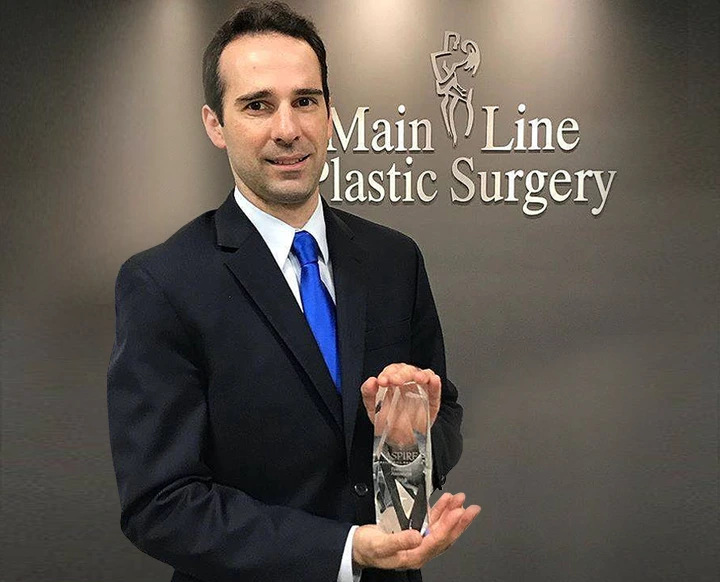
Dr. Raymond Jean
Dr. Raymond D. Jean is a board-certified plastic surgeon with extensive experience in cosmetic and reconstructive surgery. He combines artistic insight with surgical expertise to offer patients transformative results that enhance both their appearance and confidence.
February 20, 2026