
Is a Brazilian Butt Lift Permanent? Fat Survival, Weight Changes & Longevity
If you’re considering a Brazilian butt lift, one of your biggest questions is likely about how long the results will last. While the fat cells that successfully integrate into your buttocks after a BBL are technically permanent, the procedure isn’t quite as simple as “once and done.” The reality is more nuanced: typically, 60-80% of the transferred fat survives long-term, and your results can last for many years – even decades – but they remain subject to the natural aging process and your lifestyle choices, particularly weight fluctuations and overall health habits.

Table of Contents


Understanding Brazilian Butt Lift Procedures
Brazilian butt lift procedures have become one of the most sought-after cosmetic surgeries in recent years, offering a natural way to enhance the shape and size of your buttocks using your own body fat. Unlike implants, which are foreign objects placed in the body, a BBL uses liposuction to harvest excess fat from areas like your abdomen, flanks, thighs, or back, then purifies and strategically injects this fat into your buttocks to create a more rounded, lifted appearance.
The appeal of this procedure lies in its dual benefit: you get slimmer in areas where you don’t want fat while gaining volume where you do. The surgery typically takes two to four hours and is performed under general anesthesia. Recovery requires specific post-operative care, including avoiding sitting directly on your buttocks for several weeks to maximize fat cell survival
How Brazilian Butt Lift (BBL) Works
The success of a BBL hinges on a biological process called fat grafting. When fat cells are transferred from one part of your body to another, they need to establish a new blood supply in their new location to survive. This process, called vascularization, determines which fat cells will “take” and become permanent residents in your buttocks.
Here’s what happens during the procedure:
Your surgeon extracts fat using gentle liposuction techniques to preserve cell integrity
The harvested fat is processed and purified to isolate healthy fat cells
Small amounts of fat are injected in multiple layers throughout the buttocks using specialized cannulas
The injected fat cells must develop connections to nearby blood vessels to receive nutrients and oxygen
Not all transferred fat cells will survive this transition. Some cells don’t establish an adequate blood supply and are reabsorbed by your body during the first few months after surgery. This is a normal part of the healing process.
Fat Survival and Brazilian Butt Lift Results
The critical period for fat survival occurs during the first three to six months after surgery. During this time, your body determines which fat cells will permanently incorporate into your buttocks and which will be reabsorbed. Most patients can expect approximately 60-80% of the transferred fat to survive long-term, though this percentage varies based on surgical technique, post-operative care, and individual healing factors.
Initial BBL Results vs Long-Term Outcomes
Your buttocks will look their fullest immediately after surgery due to swelling and the total amount of fat transferred. Over the following weeks and months, you’ll notice your size decrease as swelling subsides and some fat cells are reabsorbed. This can be alarming if you’re not prepared for it, but it’s completely normal.
The fat cells that successfully survive past the six-month mark are considered permanent. These cells behave like fat cells anywhere else in your body – they can grow larger if you gain weight and shrink if you lose weight, but the actual number of cells remains stable. This is why the results at six months to one year post-surgery are considered your final results and should remain relatively stable if you maintain your weight.
Factors Affecting BBL Procedure Results
Several factors influence how much fat survives and how long your results last:
Surgeon skill and technique: An experienced surgeon knows how to harvest fat gently, inject it at the proper depth and in appropriate amounts, and place it strategically for maximum survival and aesthetic results.
Post-operative compliance: Following your surgeon’s instructions is crucial. Sitting or lying directly on your buttocks too soon can compress the newly transferred fat, cutting off the blood supply and killing cells before they can establish themselves.
Individual healing capacity: Your body’s ability to heal and establish new blood vessels affects fat survival. Factors like smoking, certain medications, and underlying health conditions can impair this process.
Initial fat quality: The health and viability of your fat cells at harvest impact survival rates. Factors like age, genetics, and overall health play a role.
The Role of a Balanced Diet
Maintaining a balanced diet is essential for preserving your BBL results long-term. Proper nutrition supports the healing process initially and helps you maintain a stable weight afterward. During the recovery period, eating nutrient-rich foods provides your body with the building blocks it needs to establish a blood supply to transferred fat cells.
In the long term, a balanced diet helps you avoid significant weight fluctuations that can affect your results. While minor changes won’t dramatically affect your appearance, gaining or losing substantial weight can change how your buttocks look. Weight gain causes all fat cells – including those in your buttocks – to expand, which might sound appealing but can create disproportionate results. Conversely, significant weight loss shrinks fat cells throughout your body, which may diminish your BBL enhancement.
Weight Changes and BBL Surgery Results
Weight fluctuations represent one of the biggest threats to maintaining your BBL surgery results. Because the transferred fat cells are living tissue, they respond to weight changes just like any other fat cells in your body. However, the distribution of weight gain or loss isn’t always uniform, which can create unpredictable changes to your contours.
If you gain weight after your BBL, your buttocks will likely increase in size along with other areas of your body. Some patients appreciate this added volume, but others find that weight gain also returns fat to the areas that were liposuctioned, partially negating the body-contouring benefits of the surgery. Additionally, the pattern of fat distribution may not match your natural pattern, potentially creating an unbalanced appearance.
Weight loss presents a different challenge. Losing significant weight after a BBL can deflate your results, leaving you with less volume than you achieved from surgery. Some patients find they lose more volume from their buttocks than from other areas, which can be frustrating after investing in enhancement.
The ideal approach is to reach and maintain a stable weight before undergoing a BBL. Most surgeons recommend being within 10-15 pounds of your goal weight and maintaining that weight for at least three months before surgery. This gives you the best foundation for lasting results.
Maximizing the Longevity of Your Brazilian Butt Lift Results
While you can’t control every aspect of fat survival, you can take steps to maximize the longevity of your results:
Maintain stable weight: Keep your weight within a 10-15 pound range of your post-surgery weight. This preserves your proportions and prevents dramatic changes to your contours.
Stay active with appropriate exercise: Regular physical activity helps maintain overall health and muscle tone. Once fully healed, you can resume all normal activities, including lower-body exercises that can enhance your results by building muscle beneath the fat.
Protect your investment during recovery: Strictly follow post-operative instructions about sitting, sleeping position, and wearing compression garments. These first few weeks are critical for fat cell survival.
Practice healthy lifestyle habits: Don’t smoke, stay hydrated, eat nutritious foods, and manage stress. These factors all contribute to better healing and long-term tissue health.
Plan for touch-ups if needed: Some patients opt for a small secondary fat transfer procedure to add more volume or address asymmetry once initial healing is complete.
The fat that survives your BBL is permanent in the sense that those cells won’t disappear on their own. However, they remain living tissue subject to the effects of aging, gravity, and lifestyle factors. With proper care and weight maintenance, most patients enjoy their BBL results for many years – often decades – making it a worthwhile long-term investment in your body confidence. The key to lasting results lies not just in the surgery itself, but in your commitment to maintaining them through healthy, stable lifestyle choices afterward.
Schedule Your Appointment at Main Line Plastic Surgery
If you’re ready to achieve your desired look through Brazilian butt lift surgery, our team at Main Line Plastic Surgery is here to guide you through every step of the journey. Our experienced surgeon, Dr. Raymond Jean, specializes in buttock augmentation using advanced techniques to ensure the transfer process is performed with precision and care. During your consultation, we’ll evaluate whether you’re at a healthy weight for surgery, discuss your aesthetic goals, and explain how purified fat from your own body will be strategically placed to create your new shape. Many patients appreciate our transparent approach to discussing realistic expectations, including the fact that while BBL provides semi-permanent results, the longevity of your outcome depends significantly on maintaining a healthy diet and following post-operative guidelines.
Achieving optimal results from your BBL requires partnership between you and your surgical team. We’ll provide comprehensive aftercare instructions that cover everything from proper sitting techniques to when you can safely resume strenuous exercise. Our commitment extends beyond the operating room – we’ll monitor your progress through follow-up appointments and remain available to answer questions as you heal and adjust to your enhanced contours.
Contact Main Line Plastic Surgery today to schedule your consultation and take the first step toward the beautiful figure you’ve been envisioning.
Final Thoughts: Is BBL Permanent?
A Brazilian Butt Lift offers advantages that have made it popular for over a decade, providing natural-looking results without butt implants by using your own unwanted fat through fat purification and strategic placement. While BBL is considered semi-permanent because the grafted fat that survives behaves like permanent fat cells, maintaining your results requires realistic expectations and commitment to your health. The recovery process typically lasts up to six weeks, during which you’ll need to avoid excessive pressure on the fat-injected areas and follow your cosmetic surgeon’s guidance on caring for the tiny fat transfer incisions. Beyond the initial procedure, your long-term success depends on factors like maintaining muscle mass, managing any loose skin concerns, and working with your doctor to determine how many calories you need to sustain a stable weight – because significant fluctuations mean you’ll either have more or fewer fat cells in all areas of your body, not just your buttocks.
Experienced plastic surgeons understand that achieving a proportionate enhancement – whether you desire a subtle lift or a dramatic bubble butt – requires both technical skill and ongoing patient commitment. Your results reflect not just the surgical artistry of fat transfer but also how well you protect your investment through proper aftercare and lifestyle choices in the months and years following your transformation.
About the Author
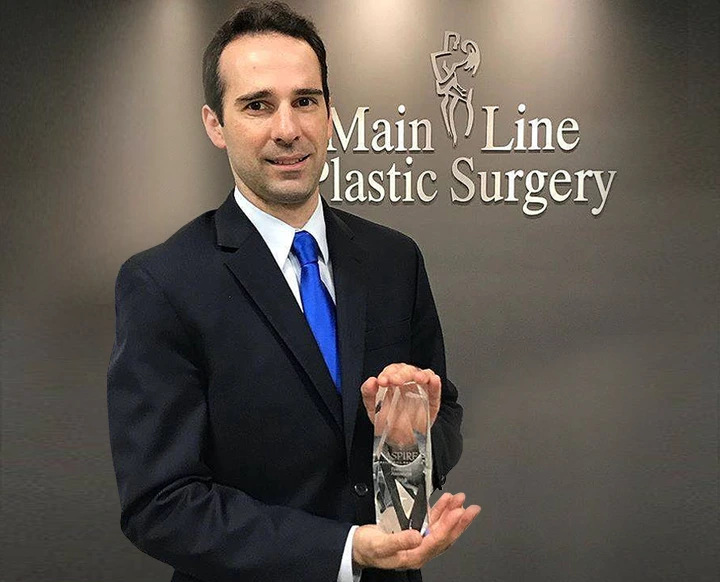
Dr. Raymond Jean
Dr. Raymond D. Jean is a board-certified plastic surgeon with extensive experience in cosmetic and reconstructive surgery. He combines artistic insight with surgical expertise to offer patients transformative results that enhance both their appearance and confidence.
February 19, 2026