
At our center in Philadelphia, Dr. Raymond Jean offers fat transfer breast augmentation as a natural alternative to implants. This technique uses your own purified fat, typically taken from areas like the abdomen or thighs, to enhance breast shape and volume while also contouring the donor area for beautiful results.


Breast augmentation with fat transfer, also known as fat grafting or autologous fat transfer, is a procedure that harvests excess fat from areas of your body where it’s unwanted (such as the abdomen, thighs, or flanks) and relocates it to enhance breast volume and create a natural appearance.
Unlike traditional breast implants or synthetic fillers, fat transfer uses your body’s own tissue, which reduces the risk of allergic reactions or other adverse events.
FEATURE
FAT TRANSFER
BREAST AUGMENTATION
BREAST IMPLANTS
LOOK AND FEEL

Natural breast tissue for a softer, more natural look and feel

SCARRING
LONGEVITY & MAINTENANCE
SIZE INCREASE
RISKS
Dr. Jean will evaluate your areas of concern, discuss your desired breast size and shape, and determine suitable donor sites for fat harvesting. During this stage, he’ll create a customized treatment plan tailored to your unique body structure and aesthetic goals. This personalized approach ensures that your breast augmentation with fat transfer will provide the most natural-looking results possible.
Using specialized liposuction techniques, Dr. Jean will extract fat cells from designated donor areas, such as the abdomen, thighs, or flanks. The harvested fat then undergoes a purification process to separate viable fat cells from blood, oils, and other components. This meticulous processing ensures that only the healthiest fat cells are used for transfer.
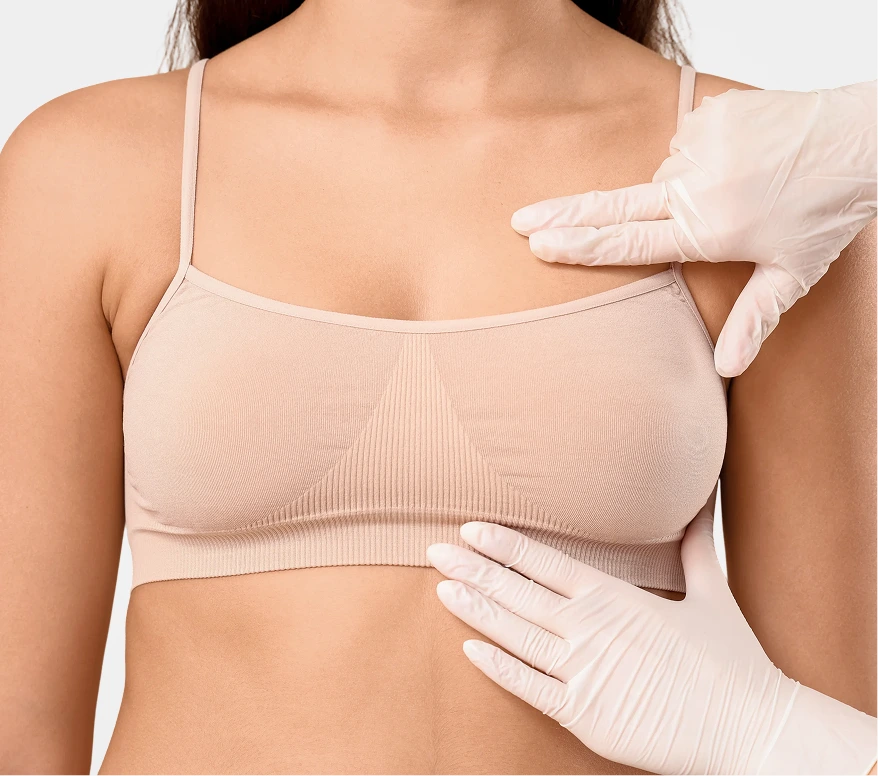
Several complementary procedures can be combined with breast augmentation with fat transfer to enhance overall results:
For patients with breast sagging or ptosis, combining a breast lift with fat transfer can improve both volume and position, resulting in a more youthful appearance.
Many women combine breast fat transfer with abdominoplasty (tummy tuck) or other post-pregnancy restoration procedures.
The ideal combination depends on each patient’s aesthetic goals, anatomy, and available donor fat. Dr. Jean can provide personalized recommendations during consultation.
During the first 48 hours after your procedure, you’ll experience swelling, bruising, and discomfort in both the donor and recipient areas while resting and taking prescribed pain medication as needed. You’ll need to wear compression garments on the donor areas as directed to minimize swelling, while avoiding any pressure on your breasts and maintaining a back-sleeping position throughout the night. By days 3-7, swelling peaks and begins to subside, allowing most patients to return to non-strenuous daily activities by the end of the first week.
As you enter the second week of recovery, you’ll likely be able to return to work if you have a non-physical job. Most patients experience a noticeable reduction in both swelling and bruising throughout the treated areas. Your donor sites may still feel tender but should be steadily improving, though you’ll need to continue wearing compression garments as directed by Dr. Jean. During this crucial healing period, you’ll need to avoid strenuous exercise. The initial shape of your enhanced breasts will start emerging as post-operative swelling decreases.
Between months 4 and 6, you’ll see your enhanced breast contours take their final shape as long-term fat retention stabilizes, revealing your true results. During this phase, you’ll fully enjoy the benefits of your natural breast augmentation with soft breasts that are beautifully proportioned to your body. Your enhanced breasts will continue to change naturally with your body over time without the maintenance required for traditional implants.

During your consultation at our Philadelphia plastic surgery practice, Dr. Jean will evaluate your individual circumstances and help determine if fat transfer breast augmentation is the right choice for you, or if alternative procedures might better address your concerns.
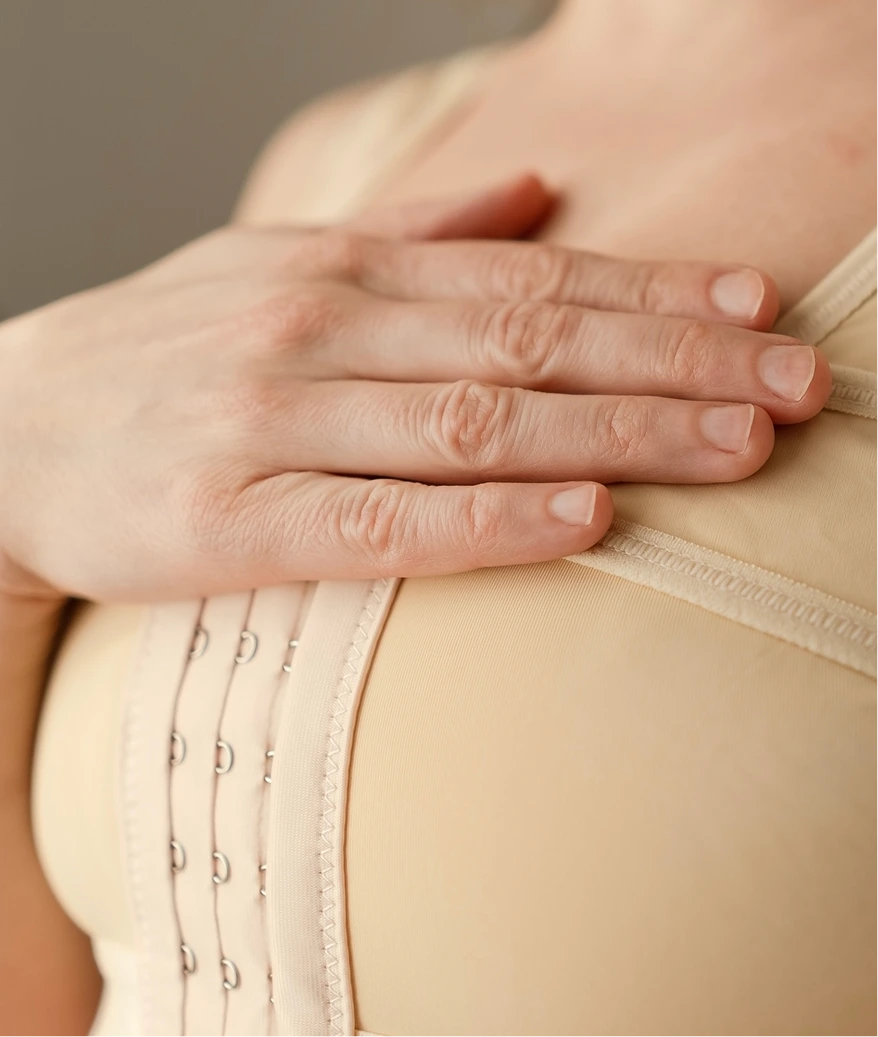
This procedure provides the dual benefit of removing unwanted fat from problem areas while producing long-lasting results once the transferred fat has established a blood supply. The approach is minimally invasive compared to traditional breast augmentation surgery, resulting in less scarring. Since the procedure uses your own tissue, there is no risk of allergic reactions, and many patients experience improved skin texture and quality in the recipient area.

The average cost of breast augmentation with fat transfer in Philadelphia is between $7,000 and $12,000. This includes the surgeon’s fees, anesthesia costs, facility fees, pre-operative testing, post-operative garments, and follow-up appointments. Several factors may influence the final cost of your procedure, including the number of donor sites used, the complexity of your specific case, and whether you require any additional procedures.
We’ve partnered with CareCredit, Alphaeon Credit, and PatientFi to offer you convenient and affordable payment plans with excellent terms and competitive interest rates. During your consultation, our team will provide a detailed cost estimate based on your specific treatment plan.

When selecting a provider for your breast augmentation with fat transfer, expertise and artistry matter significantly in achieving optimal breast surgery outcomes and enhanced breast shape. Dr. Raymond Jean is a board-certified plastic surgeon who has performed hundreds of successful fat transfer procedures and developed refined techniques that maximize fat survival.
Our personalized approach ensures your treatment plan is custom-designed to address your specific anatomy and aesthetic goals, while our state-of-the-art surgical facility provides the latest technology in aesthetic surgery and upholds rigorous safety standards.
From your initial consultation through recovery, our team provides attentive, compassionate care, reflected in our numerous five-star reviews from patients who have achieved their desired results through fat transfer breast augmentation.
Fat transfer breast augmentation is generally considered safe when performed by a qualified plastic surgeon; however, like all surgical procedures, it carries potential risks.
How much fat is needed for a successful transfer?
Will the results be permanent?
Yes, the fat cells that successfully establish a blood supply become a permanent part of your breast tissue. However, some of the transferred fat may be naturally reabsorbed by the body in the first few months. Final results are typically long-lasting once healing is complete.
What happens if I gain or lose weight after the procedure?
How does fat transfer breast augmentation compare to implants?
What are the specific risks I should be aware of?
Risks include fat reabsorption, asymmetry, infection, contour irregularities, and anesthesia-related complications. Dr. Jean takes extensive precautions to minimize these risks and ensure patient safety.


